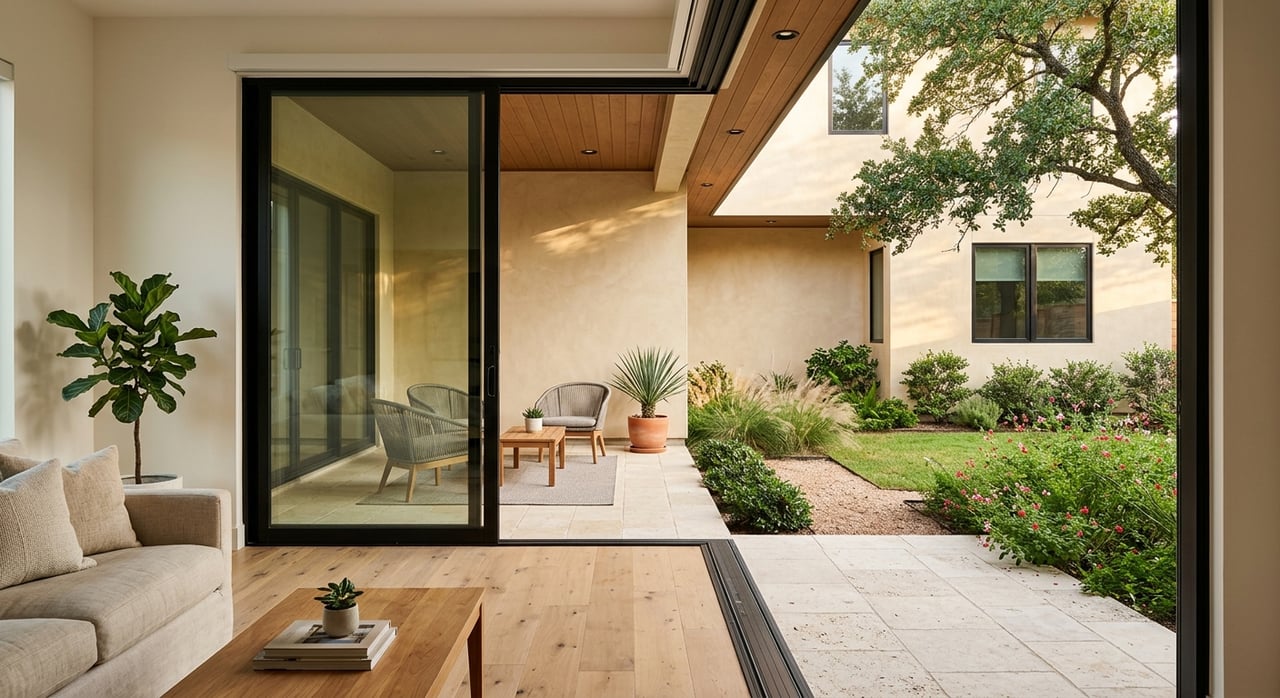
How to Choose a Georgetown TX Live-In Investment
July 16, 2026
July 16, 2026
If you want your home to do more than give you a place to live, Georgetown offers a strong case for thinking long term. This is a city that has grown quickly, planned for more growth ahead, and still shows the kind of owner-occupied housing profile that supports a steady wealth-building mindset. If you are buying, staying put, or deciding how to improve your current home, the right strategy can help your property serve you now and hold value later. Let’s dive in.
Georgetown’s growth story is hard to ignore. The city’s population reached an estimated 106,907 in July 2025, up from 67,176 in the 2020 census and 47,400 in 2010. The Census Bureau also shows a 58.5% increase from the April 2020 estimates base to July 2025, which supports the idea that Georgetown is not just growing, but growing on a meaningful timeline.
That matters if you are thinking about your home as a long-term investment. A growing city can create lasting demand over time, but that does not mean prices move up in a straight line every year. In fact, recent market trackers showed some year-over-year softening, with Zillow reporting an average Georgetown home value of $427,588, down 5.3%, and Redfin reporting a May 2026 median sale price of $415,000, down 3.3%.
That kind of short-term movement is exactly why a buy-and-hold approach matters. If your plan is built around years instead of months, you are more likely to focus on usability, location, upkeep, and equity growth over time instead of chasing quick appreciation.
Georgetown remains heavily owner-occupied, with a 69.5% owner-occupied housing unit rate. The Census Bureau reports a median owner-occupied home value of $429,100, a median gross rent of $1,795, and median monthly owner costs with a mortgage of $2,328.
Those numbers suggest a useful mindset shift. In Georgetown, buying a primary residence is not just about comparing a rent payment to a mortgage payment. It is more about how your home fits into your longer financial picture through stability, equity, and future resale potential.
This is where patience can pay off. A well-chosen home that meets your needs today and stays attractive to future buyers can become a valuable part of your long-term plan.
One reason Georgetown stands out is that the city is planning for growth in a very visible way. Georgetown’s 2023 strategic plan calls for proactive work around mobility, infrastructure, customer service, transportation corridor studies, updated master plans, facilities expansion, impact fees, and water supply and treatment capacity.
The city’s systems planning also stretches far into the future. Water and wastewater master planning includes project horizons for 2027, 2032, 2042, and 2052. That does not guarantee any one home’s future value, but it does show that Georgetown is thinking well beyond the next market cycle.
For you as a homeowner, this helps frame the bigger picture. A long-term investment home tends to perform best in a place where growth is being managed, infrastructure is being expanded, and daily livability is part of the local plan.
Not every home holds appeal the same way over time. In Georgetown, the local planning story points toward housing diversity, including townhomes, tiny homes, studio homes, and other smaller-footprint options. The city also calls for identifying key locations for mixed-use development.
That makes flexible homes especially worth considering. In practical terms, a home that is easy to live in now and easy to market later often has a better long-term outlook than one built around highly personal or niche features.
Functional space tends to age better than specialized space. A layout with practical bedroom counts, useful storage, and rooms that can adapt over time can appeal to a wider range of future buyers.
Georgetown also has a 95.0% broadband subscription rate and a 47.8% bachelor’s degree rate. That supports the idea that office space, flex rooms, and reliable internet setup can help a home stay relevant as work and daily routines continue to evolve.
According to the Census Bureau, 26.2% of Georgetown residents are age 65 or older. That does not mean every buyer should target one specific floor plan, but it does make accessible and easy-to-navigate layouts worth considering from a resale perspective.
Single-story homes, fewer interior steps, practical bathrooms, and comfortable day-to-day flow may appeal to a broader future buyer pool. The goal is not to predict the perfect feature set. It is to avoid locking yourself into a home that only works for a narrow slice of buyers.
Homes with durable finishes and manageable upkeep often make more sense as long-term investments. Highly customized design choices can be fun, but they do not always hold broad appeal when it is time to sell.
In most cases, the better long-term bet is simple: choose a home with solid bones, practical livability, and updates that improve function without making the property feel over-personalized.
Within Georgetown, location still matters, but not just in the usual broad sense. The city’s planning map highlights features like the Downtown Overlay, Old Town Overlay, Gateway Image Corridors, the San Gabriel River Trail, the South San Gabriel Trail, sidewalk inventory, and Thoroughfare 2045 planning.
For a long-term owner, these details offer helpful clues. Homes with better connectivity to downtown, trails, major roads, and daily needs may hold broader appeal over time because they support convenience, mobility, and day-to-day use.
Georgetown’s strategic plan emphasizes an active and viable downtown along with infrastructure and amenities that support safety, mobility, and accessibility. That makes connected streets, sidewalk access, and proximity to common destinations reasonable factors to weigh.
You do not need to chase one specific area to think wisely about location. Instead, ask whether the home feels convenient to everyday life and whether the surrounding pattern of development supports long-term usability.
The city’s planning legend includes categories such as Mixed Density Neighborhood, Regional Center, Open Space, Parks and Recreation, Urban Core, High Density Mixed Housing, and Urban Mixed Use. These categories suggest that some parts of Georgetown are set up for broader demand and mixed-use patterns over time.
That can matter when you think ahead to resale. A home in an area shaped by long-term planning may benefit from stronger everyday functionality, better access patterns, and a wider potential audience later.
The Census Bureau reports a mean commute time of 28.2 minutes for Georgetown workers. Commute should not be the only factor in your decision, but access to employment corridors and major roads can still matter when you are buying with future marketability in mind.
A home that works well for your routine today and offers reasonable access for future buyers tomorrow can be a smarter hold than one that checks boxes inside the house but feels less practical outside it.
If you already own in Georgetown, the right improvements can help your home function better now and stay competitive later. The strongest strategy is usually not a dramatic remodel. It is a thoughtful mix of maintenance, visible care, and selective updates that improve daily life.
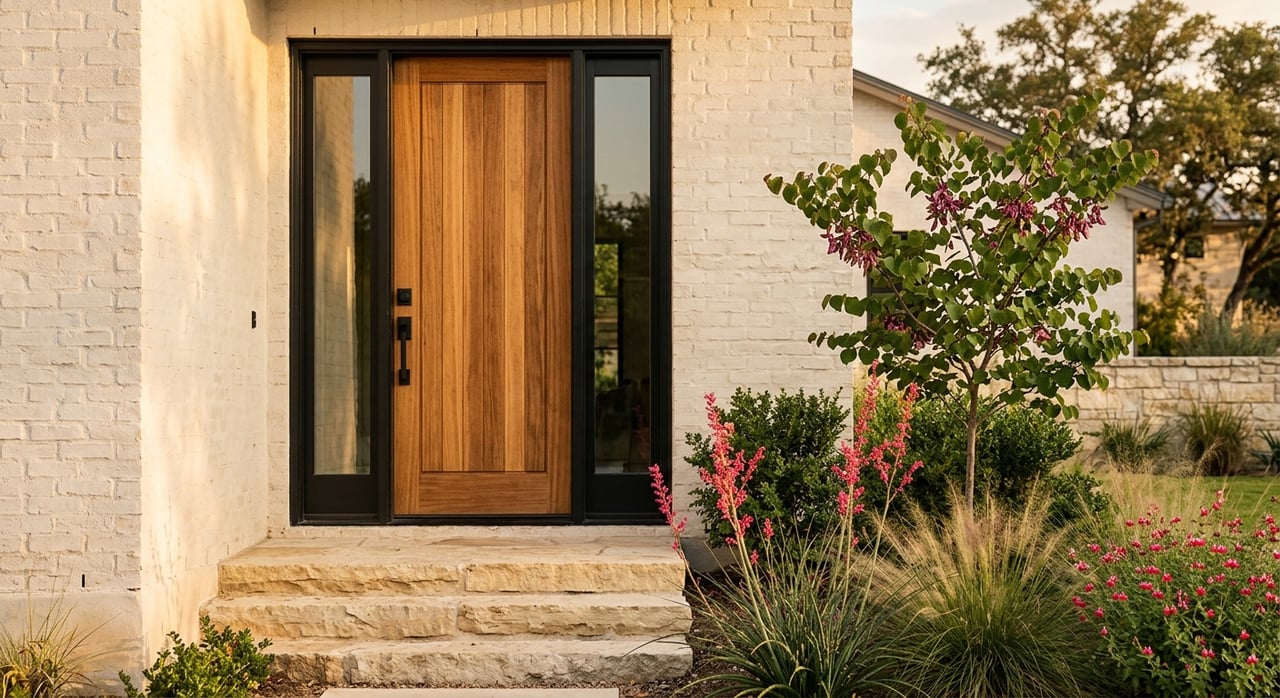
The 2025 NAR and NARI Remodeling Impact Report found that the highest cost recovery projects included a new steel front door at 100%, a closet renovation at 83%, and a new fiberglass front door at 80%. The highest joy scores went to a primary bedroom suite, a kitchen upgrade, and new roofing.
Before you spend on cosmetic changes, make sure the home’s condition is solid. Roofing, deferred maintenance, and entry improvements often do more for long-term value than trendy finishes.
Realtors surveyed in the report most often recommended painting the entire home, painting a single interior room, and installing new roofing before listing. That is a useful guide even if you are not selling soon, because it reinforces the value of keeping your home fresh, maintained, and easy for the next buyer to understand.
The report also found that homeowners valued improved functionality and livability, durable materials and appliances, and beauty and aesthetics most. It also said 64% felt a greater desire to be in the home after remodeling.
That is a great reminder for owner-occupants. The best updates are often the ones that make your life easier first and support resale second.
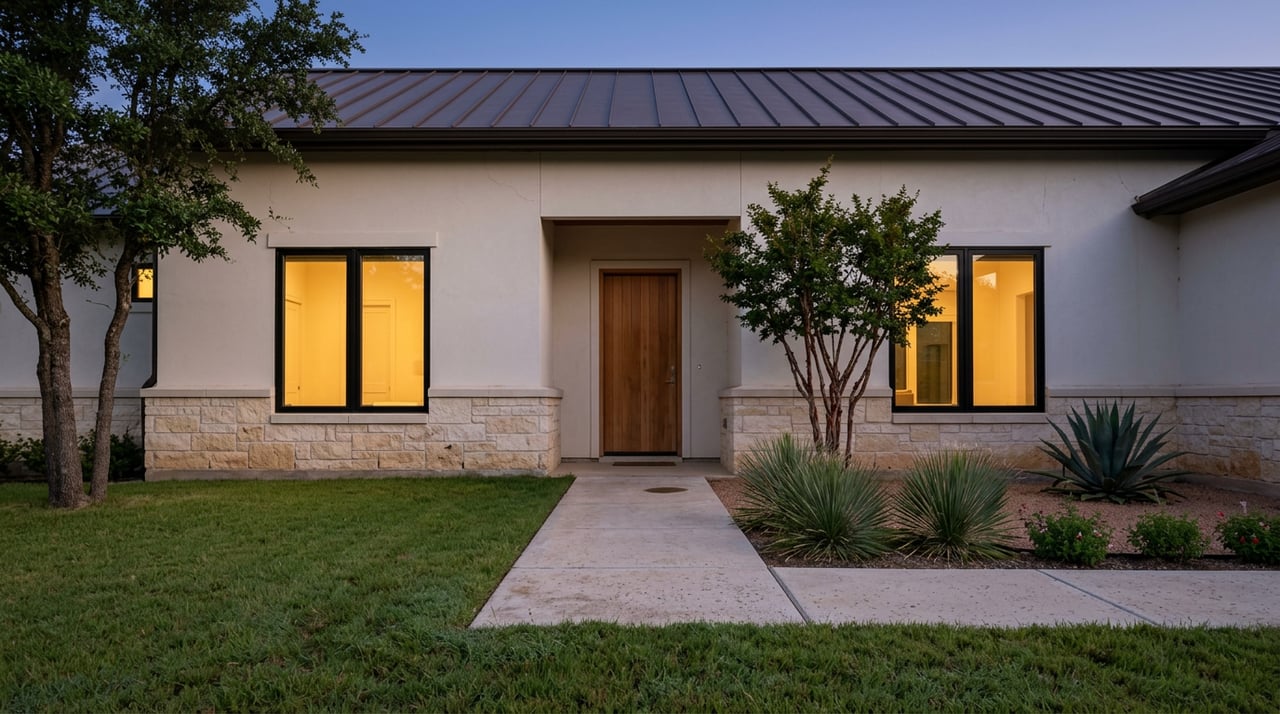
A long-term investment mindset usually favors broad appeal. In Georgetown, that can mean front-entry upgrades, selective kitchen or bath refreshes, paint, storage improvements, and durable materials rather than expensive custom features with limited buyer appeal.
You want your home to feel well cared for, functional, and current. You do not need every trend. You need the kind of improvements that help the property stay useful and marketable over time.
If you want to turn your Georgetown home into a long-term investment, keep your decision-making grounded in a few basics.
That framework is simple, but it works. Real estate wealth is often built slowly, through good choices made consistently over time.
If you want help thinking through which Georgetown home is likely to age well, or which updates make the most sense before you invest more money into your property, Clare Webb can help you build a plan that supports both your life today and your long-term goals.
Stay up to date on the latest real estate trends.



Working with The Right Team means gaining lifelong advisors who care deeply about your success. We don’t just help you buy or sell—we stand beside you, advocate for you, and celebrate your journey every step of the way.