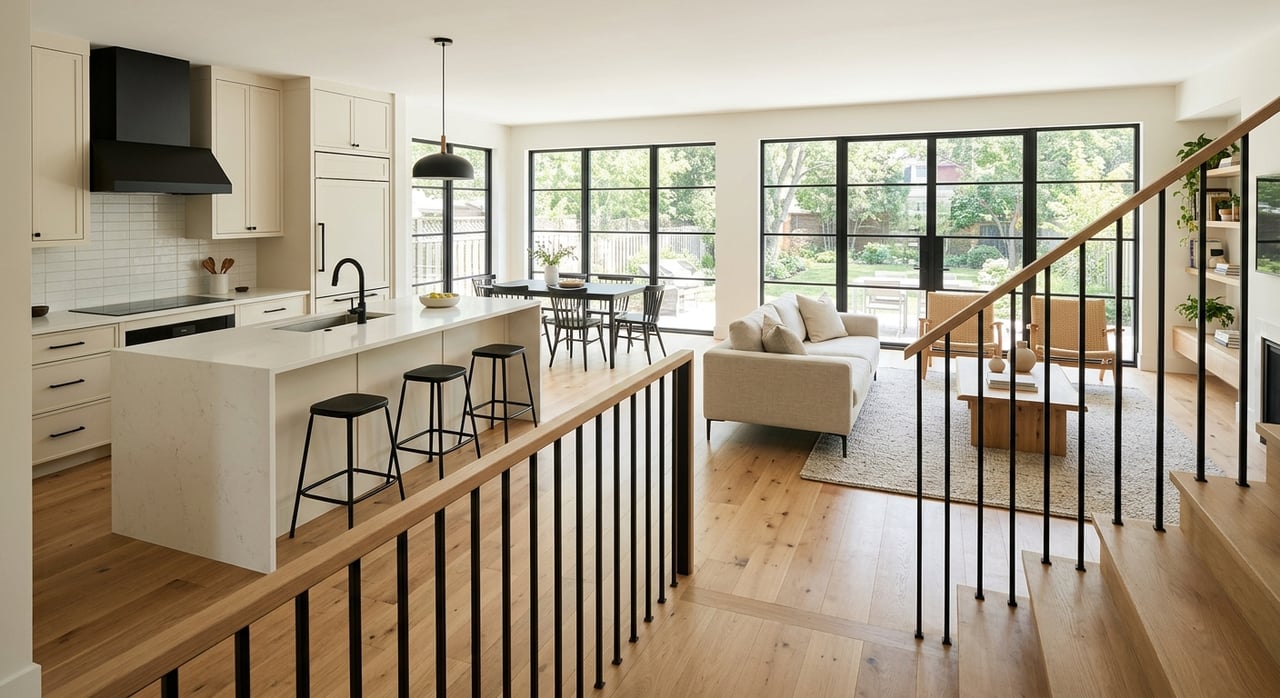
House-Hunting In Georgetown On A Tight Weekend Schedule
June 11, 2026
June 11, 2026
If you only have one weekend to explore Georgetown, it can feel impossible to sort through dozens of listings, neighborhoods, and commute questions without getting overwhelmed. The good news is that Georgetown is large enough to require a plan, but not so frantic that you have to make rushed choices on every house. With the right prep, you can use a short trip to narrow the field, test daily routines, and spot the homes that truly deserve a second look. Let’s dive in.
One of the biggest mistakes buyers make is treating Georgetown like one uniform market. It is not. City planning maps and GIS layers show distinct areas such as Downtown Overlay, Old Town Overlay, and communities including Sun City, Georgetown Village, Berry Creek, Water Oak at San Gabriel, River Bend, North Old Town, and Old Town.
That matters because a random list of showings can waste your whole weekend. A home in Old Town may offer a very different feel, price point, and daily rhythm than one in Georgetown Village or Berry Creek. If you group homes by micro-market first, your tours become easier to compare and much more productive.
Recent listing data also shows a wide spread in pricing across Georgetown. Realtor.com reports median listing prices around $375,000 in Sun City Texas, about $439,950 in Georgetown Village, roughly $570,000 in Wolf Ranch, about $685,400 in Berry Creek, around $649,000 in the Old Town District, and about $1.21 million in Cimarron Hills. On a tight weekend, that price range is a clear reason to narrow your target areas before you arrive.
If your trip is short, your best work happens before you ever get in the car. Georgetown has been described as a buyer’s market, with Realtor.com reporting median days on market of 54 in March 2026 and homes selling an average of 2.17 percent below asking. Redfin also reported a three-month median sale price of $399,794 and 88 days on market for the period ending April 2026.
That kind of market gives you some room to compare options, but it does not mean every good home will wait forever. The smartest approach is to pre-screen hard so your in-person time is spent on homes with real potential. Instead of touring everything that looks decent online, build a shortlist that fits your budget, layout needs, and commute priorities.
Before the weekend, try to sort listings into three simple groups:
This keeps your schedule realistic. It also helps you avoid the common trap of spending half a day in homes that were never a true fit.
If school assignment matters to your move, do not rely on neighborhood names alone. Georgetown ISD uses an address-based attendance locator, which is the most reliable way to confirm current zoning for a specific property.
This step is especially important because Georgetown ISD notes that current rezoning work involves Wolf Ranch Elementary, while Jessie Daniel Ames Elementary and Middle School No. 5 are scheduled to open in 2027. Even if you are not making a decision based on schools alone, verifying assignment by exact address can help you avoid confusion and better understand future resale conversations.
A quick pre-trip check can save you from touring a home that does not meet your household’s needs. It is one of the easiest ways to keep your weekend focused.
A good Georgetown house-hunting weekend should follow the map, not the order listings appear online. Georgetown sits at the north end of the SH 130 system, and TxDOT notes that SH 130 Segments 1 through 4 create an eastern alternative to I-35 congestion while also providing a faster route to Austin-Bergstrom for many drivers.
TxDOT also lists current improvement projects involving I-35 from Georgetown to Round Rock and the SH 130/SH 45N area. That means traffic patterns and access points deserve more attention than a quick glance at a map. If you expect to commute, your weekend should include test drives at the same time of day you would normally be on the road.
A practical route often works best when broken into loops:
This approach makes it easier to compare homes that actually compete with one another in your day-to-day life. It also cuts down on windshield time, which matters when every hour counts.
Downtown Georgetown is not just a nice place to grab coffee between showings. It is a useful lifestyle test. The city’s downtown parking study describes the historic Town Square as a civic and activity hub with restaurants, retail, personal services, the Central Library, the Palace Theater, and recurring events such as First Friday, Market Days, the Georgetown Swirl, art festivals, and the Red Poppy Festival.
For a relocation buyer, that makes downtown a smart stop during a short trip. You can get a feel for parking, activity levels, walkability, and how busy the area feels in real life. That kind of observation is hard to pick up from listing photos.
If you are considering a nearby home, spend time there at a realistic hour. A quick walk or short drive around the square can tell you a lot about whether the area fits your routine and preferences.
When your schedule is tight, your goal is not to inspect every inch of every home. Your goal is to decide which homes deserve deeper due diligence later. The fastest way to do that is to focus on the features that are expensive, difficult, or impossible to change.
As you tour, pay closest attention to:
This is where a calm, process-based mindset helps. Cosmetic details can distract you, but layout, condition, and location tend to have a bigger long-term impact on how a home lives and how it may perform when it is time to sell.
A packed weekend gets messy fast if every showing ends with a long debate. Instead, use a simple decision framework after each home. The easiest system is three buckets: strong yes, maybe after inspection, and no.
That keeps your momentum without forcing a final answer too early. It also works well in Georgetown’s current market conditions, where buyers may have room to evaluate options but still need to move decisively when a home checks the right boxes.
After each showing, make quick notes on the same categories every time. For example:
If you do this consistently, patterns show up quickly. By Saturday evening or Sunday morning, you will usually know which homes deserve a second visit or a serious discussion.
Do not fill every hour of your weekend with back-to-back tours. One of the smartest moves is leaving at least one open time slot for a second showing, a neighborhood drive-by, or a decision call.
That extra space gives you room to revisit your top choice with a clearer head. It also helps if a home rises to the top late in the weekend and you want another look before making a move.
For many relocation buyers, this is the difference between feeling rushed and feeling confident. A well-planned weekend should create momentum, not pressure.
If you want a simple way to think about it, a strong house-hunting weekend in Georgetown is front-loaded. You pre-screen listings, verify important details by address, and group your tours by area and commute corridor before you arrive.
Once you are in town, you use your time to compare micro-markets, test the routes that matter most, and identify the few homes that truly fit. That is a much better strategy than trying to see everything. In a city with more than 101,000 residents, a 69.5 percent owner-occupied housing rate, and a wide range of neighborhood options, structure is what turns a short trip into a smart one.
If you are planning a Georgetown house-hunting weekend and want a clear, efficient game plan, Clare Webb can help you narrow the field, organize the right tours, and make confident decisions without wasting your time.
Stay up to date on the latest real estate trends.
Working with The Right Team means gaining lifelong advisors who care deeply about your success. We don’t just help you buy or sell—we stand beside you, advocate for you, and celebrate your journey every step of the way.