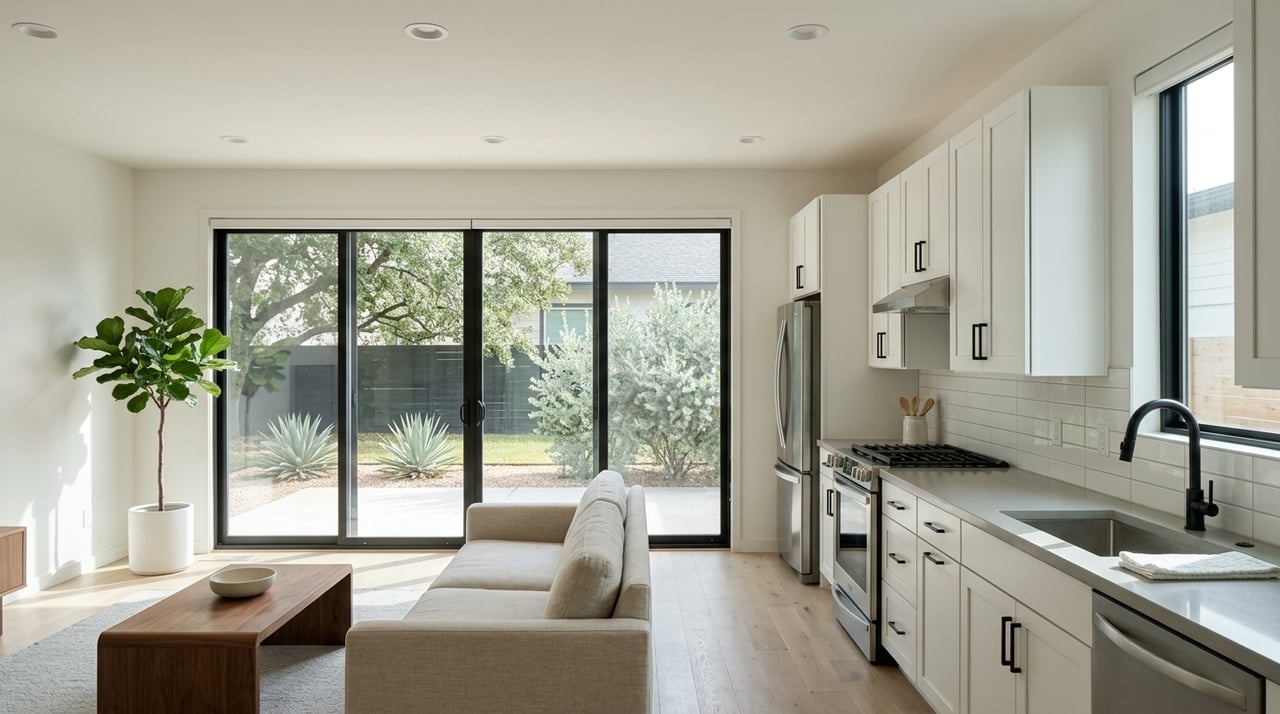
Preparing Your Georgetown Home To Sell With Concierge Support
April 2, 2026
April 2, 2026
If you are getting ready to sell in Georgetown, it is easy to wonder where to start. Should you repaint, fix the roof, schedule staging, or leave the home as-is and let buyers decide? The good news is that most sellers do not need to do everything. With the right plan and the right support, you can focus on the updates that improve first impressions, reduce inspection surprises, and help your home feel market-ready. Let’s dive in.
Georgetown is a large and fast-growing market. The U.S. Census Bureau reports that the city’s estimated population reached 101,344 in 2024, with a 69.5% owner-occupied housing rate and a median owner-occupied home value of $429,100.
That matters because a growing owner-occupied market tends to bring buyers with clear expectations about condition, presentation, and value. If you are selling in Georgetown, thoughtful preparation can help your home stand out without over-improving.
Georgetown also has a wide mix of housing stock. A city historic resources survey documented many residential properties from 1945 to 1965, especially Ranch and Minimal Traditional homes, and also notes major growth after 1960 through the 1970s and 1980s.
In practical terms, many local sellers are working with homes that may benefit more from visible updates and system checks than from a full remodel. That is why a focused prep plan often works better than a long, expensive renovation list.
Before you spend money, it helps to understand what your home needs and what buyers are most likely to notice. A smart pre-listing strategy usually looks at three things: first impressions, likely inspection items, and your expected return on the work.
The National Association of REALTORS® says a pre-sale inspection is not required, but it can help identify issues you may want to repair before showings. Their seller guidance notes that inspections commonly review the structure, exterior, roof, plumbing, electrical systems, heating and air conditioning, interiors, insulation, ventilation, and fireplaces, and may include tests for certain environmental issues as needed. You can review that guidance in NAR’s consumer guide to preparing to sell your home.
That does not mean every Georgetown seller should inspect first, but it does mean you should make an informed choice. If your home is older, has deferred maintenance, or has systems you know buyers may question, a pre-listing inspection can give you more control over the process.
Most sellers get the best results by tackling work in a clear order. Think of it as triage, not perfection.
If something affects how the home works, it usually belongs near the top of the list. This can include roof concerns, HVAC issues, plumbing leaks, electrical problems, or anything else that could show up during a buyer inspection and weaken your negotiating position.
NAR advises sellers to price out significant repairs even if they do not plan to complete them, especially for roofs, HVAC systems, and appliances, because buyers are likely to factor those costs into their offer. That is a useful framework when you are deciding what to repair now and what to disclose and price around.
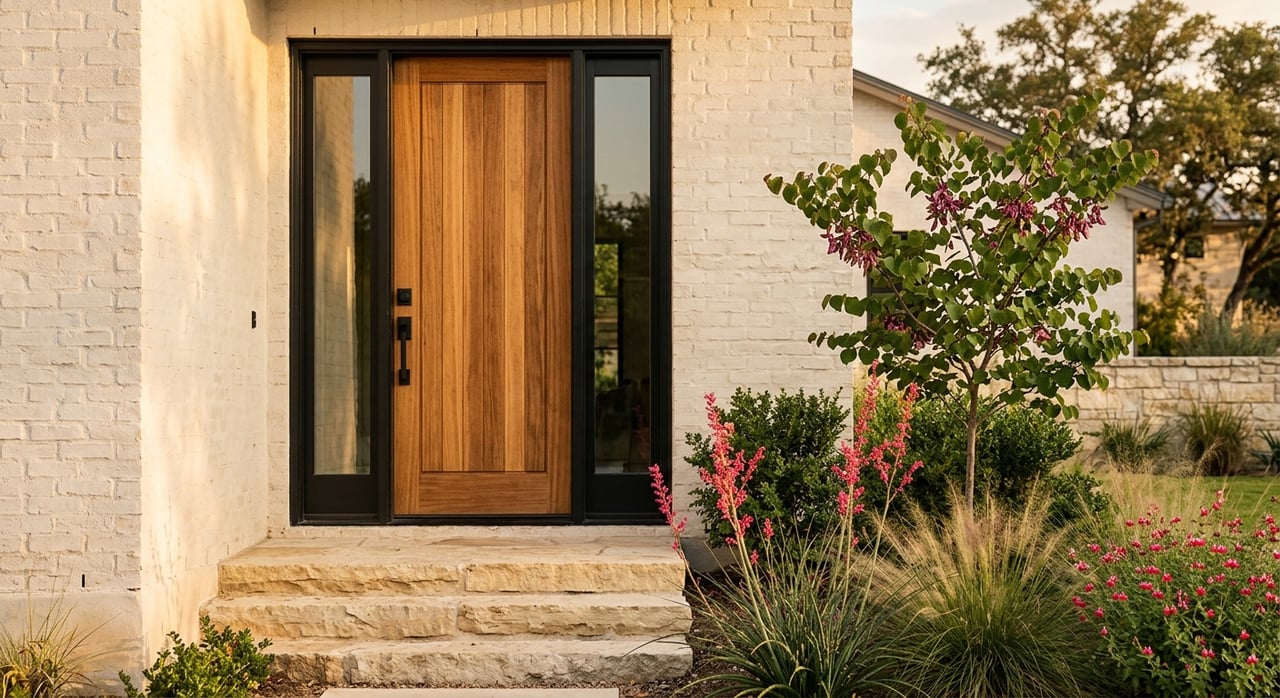
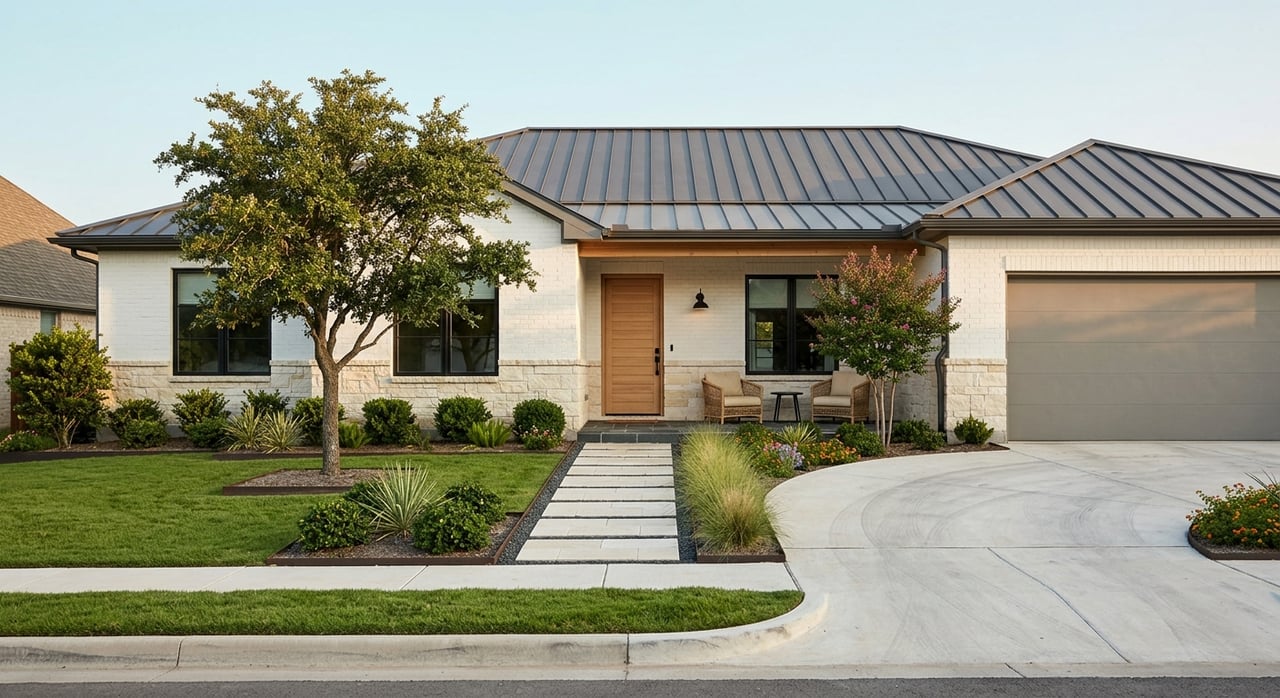
Once the major function items are addressed, focus on appearance. NAR specifically recommends cleaning windows, carpets, lighting fixtures, and walls, storing away clutter, and improving curb appeal through landscaping, the front entrance, and paint.
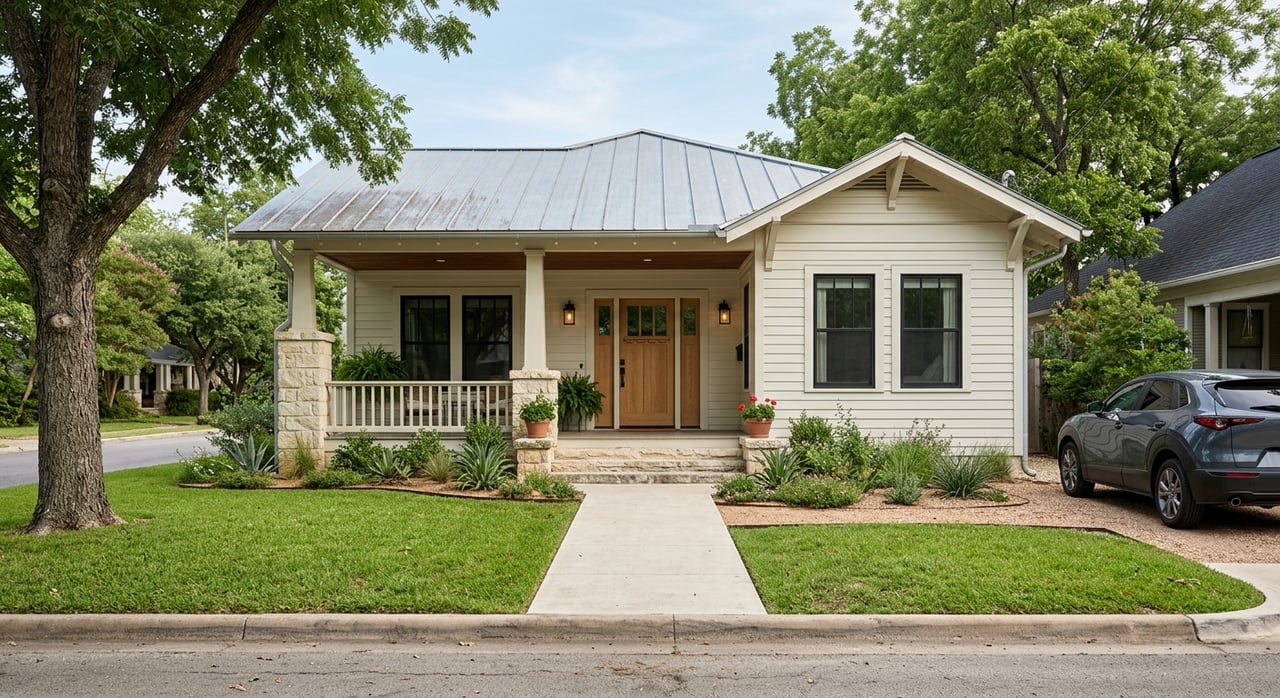
In Georgetown, this often means simple, practical upgrades can go a long way. Fresh paint, cleaner flooring, tidier landscaping, and a more polished front entry can make an older home feel cared for and more current without changing its character.
After repairs and cosmetic basics, you can decide whether staging or selective finishing work makes sense. NAR notes that staging can help buyers visualize the home and may be included in some agents’ service packages.
This is the stage where you ask: what helps buyers connect emotionally with the home? Sometimes that means furniture placement and styling. Sometimes it means replacing worn carpet, touching up trim, or refreshing a dated light fixture.
Not every project has the same impact. If you want a simple way to think about it, prioritize work that improves first impressions, addresses likely buyer objections, or supports your list price.
According to NAR’s 2025 Remodeling Impact Report, REALTORS® most often recommended painting the entire home, painting one room, and new roofing before selling. The same report found some of the highest cost recovery in a new steel front door, closet renovation, and new fiberglass front door.
For many Georgetown homes, the most practical shortlist includes:
This lines up well with Georgetown’s broad housing-age mix and with what buyers tend to notice quickly during showings.
Some sellers have the time and cash to manage every project themselves. Others would rather keep cash on hand, avoid juggling vendors alone, and streamline the process.
That is where concierge support can be useful. In this context, concierge support is a financing and coordination tool that can help with pre-listing improvements so you can prepare the home for market now and repay those costs later, subject to program terms.
For sellers who are a fit, this can make it easier to move forward with work like:
The key is to use concierge support strategically, not emotionally. The goal is not to do every upgrade possible. The goal is to choose improvements that make the home easier to sell and easier for buyers to say yes to.
A calm, process-based approach usually works best. Before you commit to any work, ask three simple questions.
Projects that shape first impressions tend to deliver value quickly. Paint, curb appeal, flooring, lighting, and the front entry usually fall into this category.
If the answer is yes, pay close attention. Roof, HVAC, plumbing, and electrical issues can create friction later, even if the home looks great online.
Some repairs matter because they reduce buyer uncertainty. Even when a project is not glamorous, it may help you avoid credits, price reductions, or drawn-out negotiations once the home is under contract.
If your prep plan involves outside vendors, take time to vet them carefully. NAR’s consumer guide to hiring a remodeling contractor recommends interviewing at least three contractors, gathering bids, confirming they are licensed and insured, and avoiding vague contracts or large upfront payments.
That guidance is especially helpful when you are comparing a do-it-yourself project-management approach with a more supported concierge-style plan. Either way, you want clear scope, realistic pricing, and dependable execution.
Preparation is not only about repairs and presentation. It is also about making sure your sale is handled correctly.
In Texas, the Seller’s Disclosure Notice from TREC is required for previously occupied single-family residences and is used with contracts entered on or after September 1, 2023. TREC states that the form covers material facts and the physical condition of the property.
If a pre-listing inspection uncovers a defect, that does not automatically mean the sale is in trouble. It means you should work with your agent and, when needed, an attorney to make sure disclosure is handled appropriately.
If you want a straightforward framework, this is a practical place to begin:
This kind of plan helps you focus on improvements that support the sale instead of getting lost in projects that may not move the needle.
Selling a home is rarely just about repairs. It is about choosing the right repairs, pacing the work, and making decisions that support your next move. If you want a practical, step-by-step plan for preparing your Georgetown home to sell, Clare Webb can help you sort through what matters, coordinate the process, and build a strategy that fits your timeline and goals.
Stay up to date on the latest real estate trends.





Working with The Right Team means gaining lifelong advisors who care deeply about your success. We don’t just help you buy or sell—we stand beside you, advocate for you, and celebrate your journey every step of the way.