Comparing Georgetown’s Historic Core And Newer Communities
July 2, 2026
July 2, 2026
If you are trying to choose between Georgetown’s historic center and one of its newer master-planned communities, you are not just comparing homes. You are comparing daily routines, maintenance expectations, and the kind of setting you want to come home to. The good news is that Georgetown offers both character-rich older areas and amenity-focused newer neighborhoods, so you can match your purchase to how you actually live. Let’s dive in.
Georgetown’s historic core centers on the courthouse square and the older nearby districts shaped by the Downtown Overlay District and Old Town Overlay. The city’s planning framework is designed to protect the visual character of Town Square, preserve historic structures, and maintain the residential appearance along key corridors like South Austin and University Avenues.
That older center is the familiar nine-square-block courthouse grid. City design guidelines describe a pedestrian-oriented setting with sidewalks, angled parking, large tree canopies, and a streetscape built around the Williamson County Courthouse.
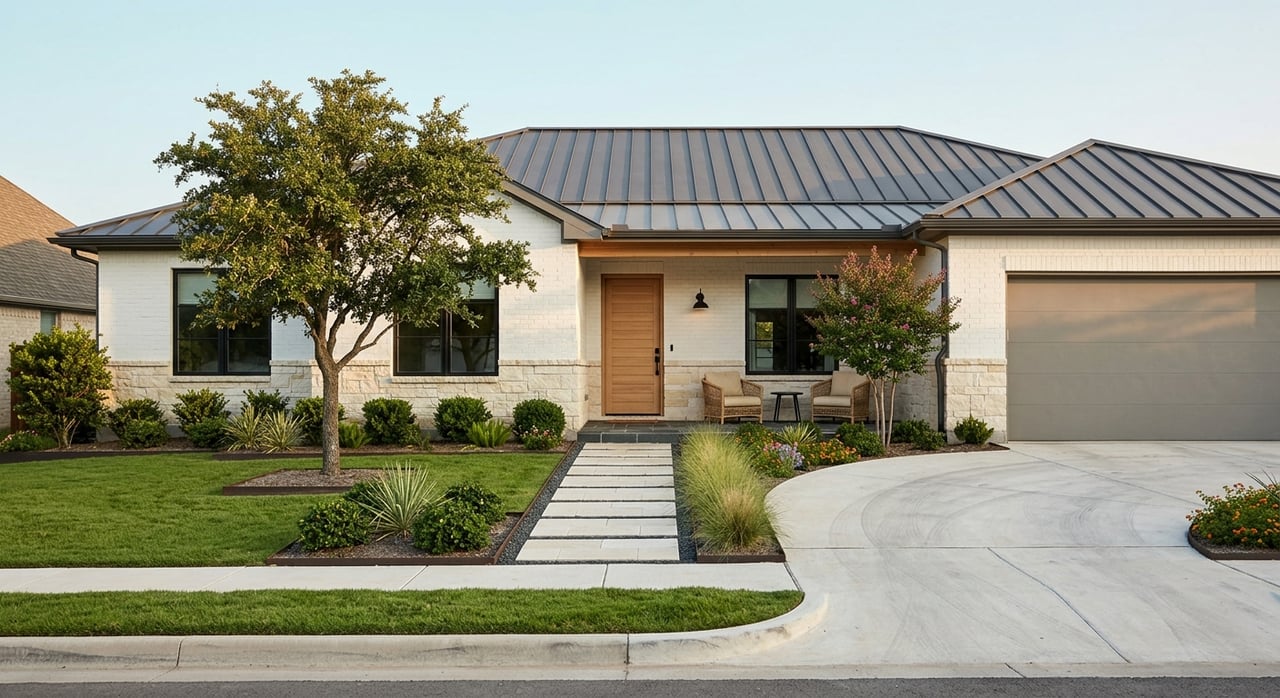
Newer communities on the outskirts offer a different format. Places like Parmer Ranch and Wolf Ranch are planned around newer homes, standardized homesites, amenity centers, trails, and HOA-managed common features.
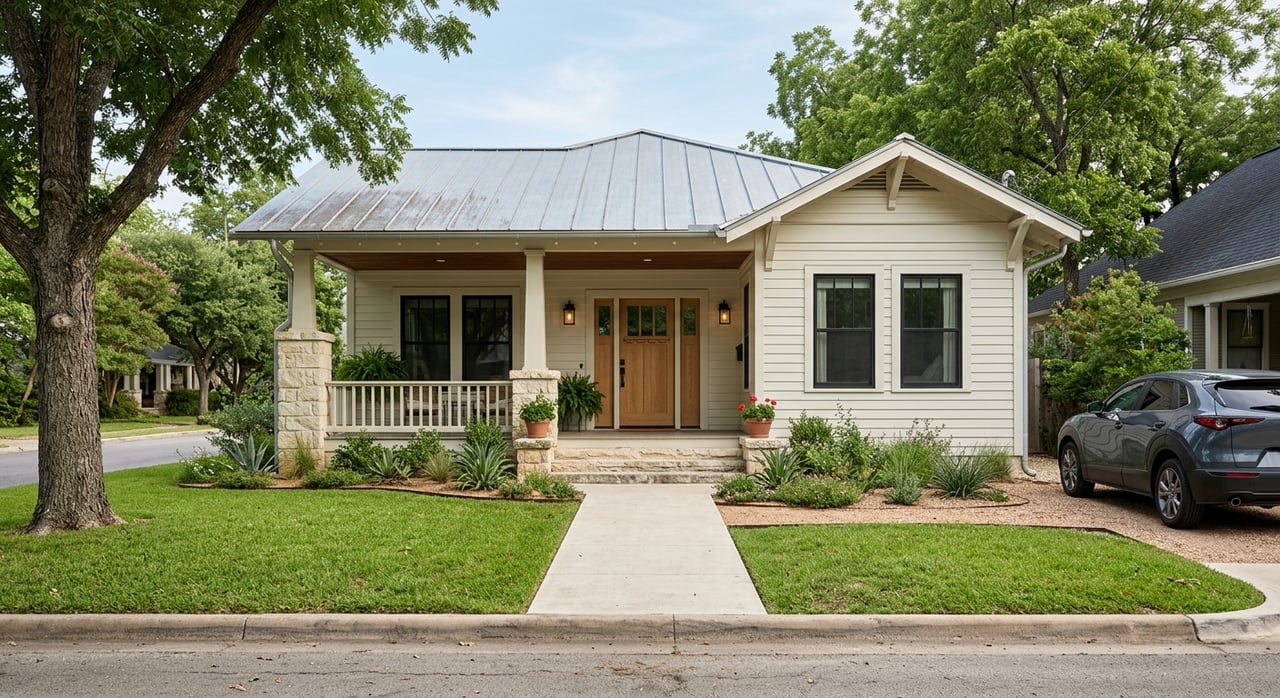
If you picture Georgetown as charming streets, mature trees, front porches, and older architecture, you are likely picturing the historic core. Old Town design guidelines point to a mix of Queen Anne, Folk Victorian, Craftsman, Bungalow, Prairie, Ranch, and Mid-Century Modern styles.
The design language is also distinct. The area is known for one- to two-story homes, pitched roofs, front porches, rear garages or carports, open front yards, and established street trees.
Lot patterns can feel less predictable than in a newer subdivision. The city notes that many historic-core lots were originally large and later subdivided, so frontage, lot shape, and setbacks often vary from property to property.
That variation is part of the appeal for many buyers. It can make the area feel visually layered and less uniform, but it also means you may need to evaluate each property on its own terms rather than expect a one-size-fits-all neighborhood pattern.
Newer Georgetown communities tend to appeal to buyers who want a more programmed living experience. Parmer Ranch describes itself as a master-planned community with modern single-family homes, flexible floorplans, large backyards, and frequent onsite social activities and HOA events.
Its amenity package includes a 10-acre park, amenity center, trails, playscapes, an amphitheater, a pool, fitness space, pickleball courts, and a basketball court. That setup creates a very different day-to-day rhythm than living near downtown’s public spaces and local events.
Wolf Ranch also reflects the master-planned model. Community materials describe two amenity centers, pools, a gym, a splash pad, playgrounds, event lawns, miles of trails, and an active lifestyle program.
Location patterns differ too. Wolf Ranch says it is about half a mile from I-35 and Highway 29, within walking distance to Wolf Ranch Town Center, and a short drive to Georgetown Town Square. Parmer Ranch says it is minutes from downtown Georgetown and near a new H-E-B.
One of the clearest differences is how consistent the homes and lots feel from one block to the next. In the historic core, architectural styles, lot sizes, setbacks, and home placement can vary quite a bit because the area developed over time and some lots were later subdivided.
In newer communities, home-site programming is usually more standardized. Wolf Ranch builders currently offer 50-foot, 55-foot, 60-foot, and 70-foot plans, while Parmer Ranch builders include 40-foot, 50-foot, and 60-foot homes along with cottage products.
That predictability can make home shopping easier if you want a narrower range of choices. It can also help if you prefer newer construction features and more consistent streetscapes.
If you are drawn to homes with individual character, the historic core may feel more compelling. If you want a cleaner compare-and-contrast process between plans and lot sizes, the newer communities may feel simpler to evaluate.
A practical way to compare these areas is to ask where your everyday amenities come from. In the historic core, many of the nearby amenities are public-facing and woven into downtown Georgetown.
Downtown studies cite restaurants, retail shops, personal services, the Central Library, the Palace Theater, and community events like First Friday, Market Days, and the Red Poppy Festival. San Gabriel Park adds trails, disc golf, ball fields, picnic areas, and playgrounds.
In newer communities, amenities are more likely to be built into the neighborhood itself. Pools, trails, fitness spaces, event lawns, playgrounds, and social programming are part of the planned package.
Neither model is automatically better. It really comes down to whether you want your lifestyle centered around Georgetown’s downtown fabric and public spaces or around neighborhood-specific amenities managed within a master-planned setting.
This is one of the most important differences for buyers. In the historic core, the governing framework is shaped more by city design standards and preservation goals than by a single master HOA.
The city’s guidelines emphasize preserving historic materials, maintaining compatibility, and using a repair-first approach for original materials. For a buyer, that can mean the home’s appearance and updates may need to fit preservation expectations, especially in overlay areas.
In Wolf Ranch, the HOA role is much more explicit. According to the HOA, it manages landscape maintenance, common areas, amenity-center and pool maintenance, and compliance with governing documents.
The HOA also states that the 2026 bi-annual assessment is $560, with an additional $600 bi-annual landscape payment for some owners, and that the community has two Georgetown MUDs. That is a good example of how newer communities can come with more defined recurring obligations and services.
Your day-to-day experience can feel very different depending on which part of Georgetown you choose. Around the courthouse square and older core, the design guidelines point to sidewalks, angled parking, and a pedestrian-oriented streetscape.
That often supports an environment where you may spend more time walking around downtown destinations and enjoying the established street pattern. The setting is shaped by older blocks, mature trees, and a more traditional town layout.
Newer communities are usually designed around subdivision planning, interior neighborhood amenities, and convenient access in and out by car. That does not make them less functional. It just creates a different rhythm for errands, recreation, and gathering spaces.
If you are deciding between Georgetown’s historic core and a newer community, a simple framework can help. Start by ranking what matters most in your real life, not just what looks appealing online.
Ask yourself these questions:
A helpful shorthand is this: historic-core buyers are often weighing location and character, while newer-community buyers are often weighing space and amenities. Georgetown can serve both priorities well, but the day-to-day feel is materially different.
This is not just about what home looks best on showing day. It is about choosing the setting that will still make sense after the excitement of closing wears off.
If you buy in the historic core, you may be choosing established surroundings, walkability, and architectural personality. If you buy in a newer community, you may be choosing a more predictable maintenance model, larger or more standardized floorplans, and built-in amenity access.
The best choice is the one that fits your routines, your budget, and the level of structure you want around your homeownership experience. That is where a clear side-by-side comparison can save you from buying the right house in the wrong setting.
If you want help narrowing Georgetown options, comparing tradeoffs, and building a shortlist that fits your goals, reach out to Clare Webb. You deserve practical guidance before you commit, and support that continues well after closing.
Stay up to date on the latest real estate trends.

Working with The Right Team means gaining lifelong advisors who care deeply about your success. We don’t just help you buy or sell—we stand beside you, advocate for you, and celebrate your journey every step of the way.