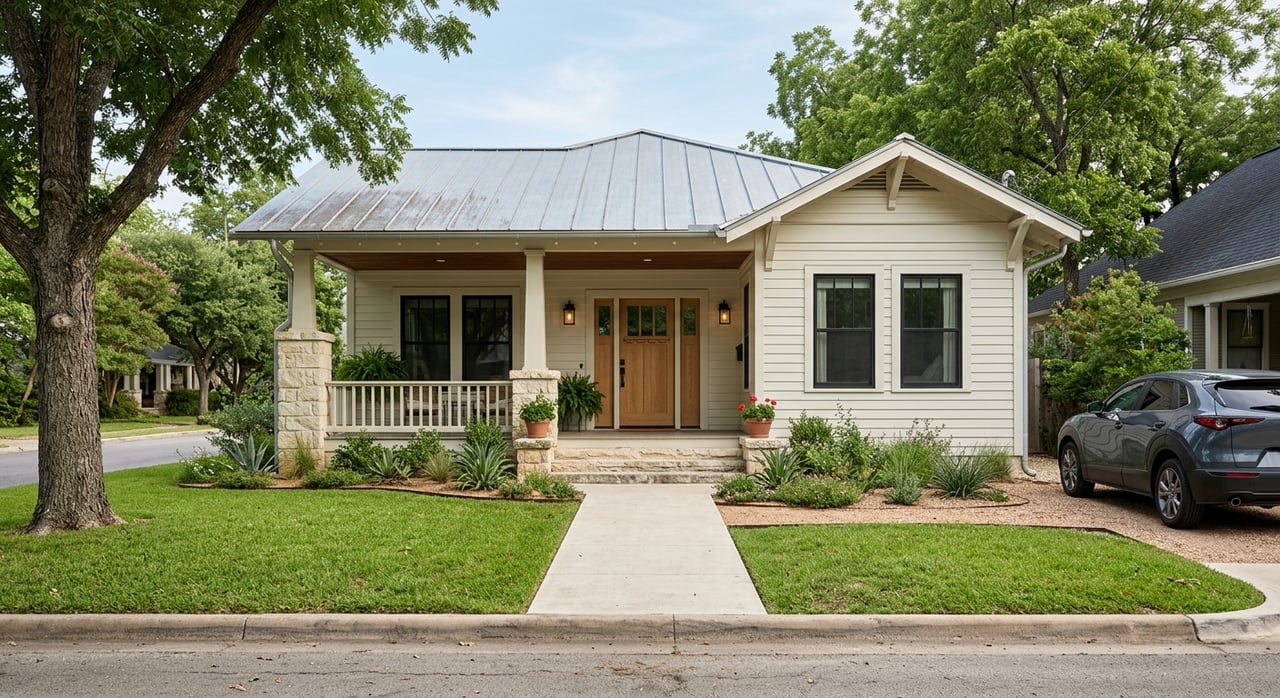
What Everyday Life In Georgetown Looks Like Now
June 25, 2026
June 25, 2026
Are you wondering whether Georgetown still feels like a small town, or if it has fully become part of the Austin-area suburban rush? The honest answer is that it now feels like both. You get a fast-growing city with more daily convenience, more activity, and more people, while still holding onto a historic downtown core and a strong sense of place. If you are thinking about moving, buying, or simply trying to picture real life here, this guide will help you understand what everyday life in Georgetown looks like now. Let’s dive in.
Georgetown is no longer a sleepy outpost north of Austin. The U.S. Census Bureau estimates the city’s 2025 population at 106,907, which is a sharp increase from its 2020 base. That kind of growth changes how a place feels day to day.
In practical terms, you are more likely to experience Georgetown as a full-service suburban city than as a quiet small town. At the same time, the city continues to present itself as a distinct community with its own identity, even while staying close to Austin’s cultural and entertainment options. That mix is a big part of Georgetown’s appeal.
Even with all the growth, downtown remains the heart of Georgetown’s social rhythm. The city describes a 40-block Cultural District with more than 100 restaurants, wineries, shops, and galleries, along with landmarks like the Palace Theatre, Georgetown Public Library, the Georgetown Arts Center, and the Williamson Museum.
That means downtown is not just a place you visit once in a while. It is where errands, coffee meetups, casual dinners, live performances, and community events can all happen in the same part of town. For many residents, that creates a more connected feel than you might expect in a fast-growing suburb.
One reason the downtown square feels so central is the steady calendar of recurring events. First Friday runs from March through November and brings live music plus after-hours shopping. 2nd Saturday Market Days adds artisans, crafts, food trucks, retail, and live music to the square.
Then there is the Red Poppy Festival, which the city says draws more than 65,000 people each year. That level of turnout helps explain why downtown feels like a true gathering place, not just a commercial strip.
If you picture your daily life including walks, bike rides, playground stops, or weekend time near the water, Georgetown gives you a lot to work with. The city maintains more than 50 parks, more than 1,000 acres of parkland, five pools, the Georgetown Recreation Center, the Tennis Center, and event rental facilities.
This is one of the biggest lifestyle advantages in Georgetown right now. Outdoor access is not limited to a few isolated spots. It is woven into the city in a way that makes it easier to use regularly.
San Gabriel Park is the city’s largest park at 180 acres. It includes playgrounds, picnic tables, pavilions, trails, disc golf, and sports fields.
That kind of setup supports all kinds of daily routines. You can stop for a short walk, spend time at the playground, meet friends for a picnic, or build exercise into your normal week without needing a full day plan.
Garey Park brings a different kind of outdoor experience. This 525-acre park includes a playground, splash pad, dog park, equestrian arena, fishing ponds, and more than seven miles of hiking and equestrian trails.
For many buyers, this matters because it expands what life close to home can look like. You are not just getting a neighborhood park. You are also getting a larger recreation option that can carry a weekend without leaving Georgetown.
Lake Georgetown adds even more variety with boating, fishing, camping, a wildlife preserve, and 16 miles of hiking trails. If you want more than sidewalks and pocket parks, this is one of the features that makes Georgetown stand out.
The South San Gabriel River Trail also links Blue Hole Park and Chautauqua Park, and trail hours run from 5 a.m. to 10 p.m. That schedule helps make walking and biking feel like part of normal life, not something reserved only for weekends.
Georgetown may be close to Austin, but your daily transportation reality will usually revolve around driving. The city profile lists about 35 minutes by car to downtown Austin and Austin-Bergstrom International Airport.
The Census Bureau reports a mean commute of 28.2 minutes. That gives you a useful baseline if you are comparing Georgetown with closer-in Austin neighborhoods or other suburbs.
Georgetown sits on Interstate 35, which gives it a direct north-south connection. TxDOT also notes that SH 130 segments 1 through 4 run from Interstate 35 near State Highway 195 in Georgetown to US 183 southeast of Austin, offering an eastern alternative to I-35.
For daily life, that means route choice can be part of your planning. If you work in or around Austin, you will want to think carefully about where you need to go most often and which corridors fit your schedule best.
Regional transit exists, but it is not the center of Georgetown life. CapMetro commuter rail runs between Leander and downtown Austin, and Express bus service is focused on North Austin, Leander, and other outlying areas.
In simple terms, Georgetown functions primarily as a road-commute suburb. If you want transit at your doorstep, this may not be your best fit. If you are comfortable with driving in exchange for more space and a more self-contained city feel, Georgetown can make a lot of sense.
One of the most interesting things about Georgetown right now is that it does not read as purely suburban or purely historic. It has elements of both. You can spend time around a walkable downtown square, then drive home through a city that is clearly expanding and evolving.
That balance often appeals to buyers who want more room and a slower everyday pace than central Austin, but who still want activity, amenities, and a recognizable community center. Georgetown is growing fast, but it is not just spreading outward without character.
If you are considering Georgetown, the lifestyle fit is often strongest when you value three things:
For many relocation buyers and first-time buyers, that combination can be compelling. Georgetown gives you access to Austin’s orbit while offering a day-to-day environment that feels more grounded in local routine.
If you are selling in Georgetown, lifestyle is part of the story. Buyers are not only comparing square footage or finishes. They are also comparing what daily life will feel like once they move in.
That is why clear positioning matters. A home near parks, trails, downtown activity, or key commute routes may appeal to buyers looking for a practical blend of convenience and community. Presenting that story well can help buyers connect the property to the kind of life they want to build.
A fast-growing market can look simple on the surface, but the day-to-day fit of a location is rarely one-size-fits-all. Commute patterns, proximity to downtown, access to trail systems, and how much you want to drive all play a role in whether Georgetown feels like the right match.
That is where a practical, long-term approach matters. You want to buy or sell based not just on a snapshot, but on how the property supports your life now and your goals over time.
If you are trying to figure out whether Georgetown fits your lifestyle, or how to position your home in a market shaped by growth, local context makes a difference. Clare Webb can help you think through the tradeoffs, map out the right strategy, and make a confident plan for your next move.
Stay up to date on the latest real estate trends.
Working with The Right Team means gaining lifelong advisors who care deeply about your success. We don’t just help you buy or sell—we stand beside you, advocate for you, and celebrate your journey every step of the way.